Peer-to-Peer Is the Next Wave of Influencer Marketing
Millennials and their Gen Z brethren are interested in authenticity, not salesmanship.
Opinions expressed by Entrepreneur contributors are their own.
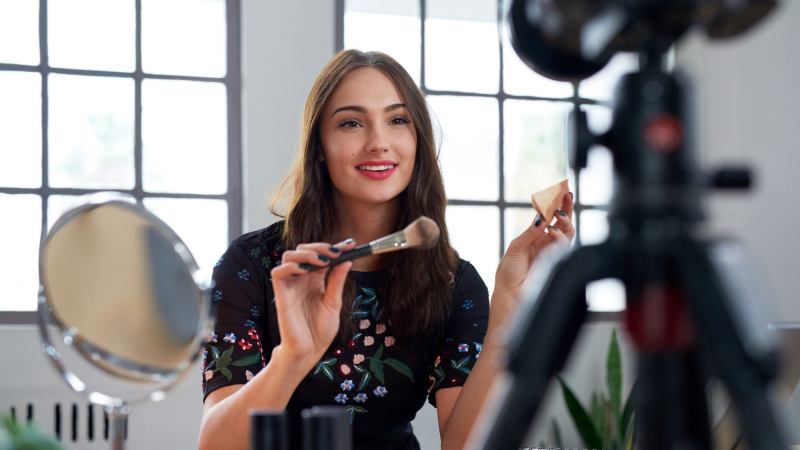
After reality television transformed Average Joes into overnight celebrities and social media took over phones, very few people were surprised by the rise of influencers. As lifestyle entrepreneurs, house flippers and motivational speakers took the stage next to the Kardashians, people took for granted that “non-famous” people would start selling them on a new way to see things (and buy them).
The trick: Non-famous people who grow a massive following don’t stay unknown for long. As these influencers became famous, they started commanding up to $1 million per Instagram post. With those price tags putting them beyond most companies’ reach, micro-influencers gained traction. These influencers, with smaller followings and accordingly smaller fees, were accessible experts in the specific niches these businesses needed. They gave a stamp of approval without seeming out of reach.
But Millennials and their Gen Z brethren are interested in authenticity, not salesmanship. They have diminished brand trust compared to past generations, and they want insights from people whose lives are like theirs — not from people who have additional privileges. And that’s opened the floodgates for peer-to-peer marketing.
Related: How Two-Way Conversations Can Fix the Influencer Marketing Backlash
Is authenticity more valuable than a brand name?
Peer-to-peer (P2P) marketing is a method that involves customers engaging other customers through recommendations. A big component of word of mouth, P2P has long been used on college campuses. Social media, however, has made P2P into a business game, too.
The crux of P2P’s success: People trust people like them. Nielsen’s 2015 Global Trust in Advertising report found that friends and family are the most trusted sources of recommendations, with 83 percent of respondents completely or “somewhat” trusting peers’ suggestions. This is in line with other Nielsen reports, which have showed up to 92 percent trust in peers — far more than any other group they interact with.
P2P helps businesses because it doesn’t feel like a sales tactic: People who aren’t being paid to shill for a company wouldn’t recommend it if they didn’t believe in it. As more and more people gravitate away from businesses that feel too pushy or self-focused, P2P options lend authenticity that literally can’t be bought.
P2P benefits consumers, too — they can network their way to a better vacuum, a longer-lasting phone or a more entertaining concert experience without paying for the privilege themselves. P2P lets people take back the power promised to them by platforms like Yelp and give a voice to others who have nothing to gain but strong reciprocal recommendations.
Related: Peer-to-Peer Lending: The Good, the Bad and the Unknown
Putting money behind P2P
One business that’s investing in the P2P space is Surkus. Expanding internationally, the discovery platform connects its clients — brands and organizations looking for more exposure and engagement — with members seeking access to more events and services that fit their needs. Assessing attendance rates, engagement via social media and post-event reactions has helped the platform determine what resonates with a client company’s ideal customer.
Surkus’ approach: People are just as — if not more — valuable to brands because they’re real, genuine individuals. Their friends and family trust them, so businesses should be willing to treat them well and elevate their status as informal influencers. Free or extended access or exclusive digital offers are all affordable ways for companies to acknowledge the peer-focused ambassadors in their midst. Surkus has worked with a handful of P2P influencers in this way, helping them showcase how their interests and hobbies intersect with the platform.
Related: Importance of Peer-to-peer Platforms
Flixxo, a video platform, is seeking P2P ground like Surkus. A decentralized platform built on blockchain, Flixxo aims to eliminate middlemen by allowing businesses to directly pay tokens to consumers for watching videos. The opt-in advertising system means companies are spending their money on ideal customers rather than using the spray-and-pray method of yesteryear’s advertising.
Sweet, another blockchain-based platform, is also setting its sights on the P2P space. The “first tokenized loyalty platform,” Sweet enables brands to reward users with tokens for liking, sharing, posting or watching their content. Fans can then exchange their earnings for rewards specific to their own tastes, including everything from celebrity meet-ups to cameos in music videos.
Founder and CEO Tom Mizzone explains that fans have “been doing thousands of dollars of work for brands” for free for years. This is a way to reward that loyalty with something that ensures their word-of-mouth efforts pay off for them, too. Voluntary enthusiasm, he points out, is much more valuable than the paid enthusiasm we’ve become familiar with.
Related: Are Influencers Worth Your Money? We Went Undercover to Find Out.
While they certainly still offer lots of value to businesses, heavyweight influencers may be losing their status as premier “outsider” advertisers. Recognizing that consumers are more interested in what their peers have to say, leaders would be smart to invest in the people in the trenches — without removing them from there.
After reality television transformed Average Joes into overnight celebrities and social media took over phones, very few people were surprised by the rise of influencers. As lifestyle entrepreneurs, house flippers and motivational speakers took the stage next to the Kardashians, people took for granted that “non-famous” people would start selling them on a new way to see things (and buy them).
The trick: Non-famous people who grow a massive following don’t stay unknown for long. As these influencers became famous, they started commanding up to $1 million per Instagram post. With those price tags putting them beyond most companies’ reach, micro-influencers gained traction. These influencers, with smaller followings and accordingly smaller fees, were accessible experts in the specific niches these businesses needed. They gave a stamp of approval without seeming out of reach.
But Millennials and their Gen Z brethren are interested in authenticity, not salesmanship. They have diminished brand trust compared to past generations, and they want insights from people whose lives are like theirs — not from people who have additional privileges. And that’s opened the floodgates for peer-to-peer marketing.