Tired of Cold DoorDash Orders? This Founder Has a ‘Zippy’ Solution That Delivers Almost Anything in Under 4 Minutes.
The same technology that once delivered blood to hospitals across Africa is now dropping off burrito bowls in Dallas in record times.
Opinions expressed by Entrepreneur contributors are their own.
Key Takeaways
- Keller Cliffton is the founder and CEO of a drone delivery business that operates in Dallas.
- He believes there is a huge inefficiency in using cars to deliver food and other household essentials to residents.
- He thinks food delivery could grow from roughly 5.5 billion deliveries annually to 55 billion.
Imagine ordering a rack of ribs, a burrito bowl or a gallon of milk and having it arrive from the sky a few minutes later.
It sounds like science fiction. In Dallas, Texas, it’s becoming normal.
Zipline uses autonomous aircraft to deliver everything from restaurant meals and groceries to prescriptions. Demand grew so quickly that the company eventually stopped advertising in certain markets.
“We were so freaked out about capacity that we turned off all the marketing,” Keller Cliffton, co-founder and CEO of Zipline, says. “It did basically nothing. It continued to grow.”
For Cliffton, the bigger surprise isn’t that customers think food delivery by flight is cool. It’s how quickly they stop thinking about it altogether.
“The novelty wears off in a maximum of seven days,” he says. “What doesn’t wear off is this realization that you don’t have to plan as much in your life anymore.”
Someone wants a burger for lunch. A parent realizes they’re out of milk. Someone else needs a prescription refill. Cliffton doesn’t see that as a food problem. He sees it as a logistics problem. The traditional way of doing it — like DoorDash or Uber Eats — is inefficient.
“We are using a 4,000-pound gas combustion vehicle driven by a human to go drive to a restaurant, park in the middle of traffic, get something that weighs three to five pounds, and drive it out to the suburbs,” he says.
For restaurants, the opportunity is reaching customers who may have been too far away before while delivering food much closer to the quality guests would expect inside the restaurant.
“When you can deliver something in two to four minutes, the quality of the product is so much higher,” Cliffton says. “People are having an in-restaurant experience at home.”
But Cliffton believes the opportunity extends far beyond faster delivery. Based on the ordering behavior Zipline is seeing in Dallas, he believes food delivery could grow from roughly 5.5 billion deliveries annually to 55 billion.
“If you make delivery feel more like teleportation, people will use that service a lot more,” he says.
What looks like an overnight success story, however, was more than a decade in the making. Here’s how he made it happen.
The long climb
When Keller Cliffton started Zipline, autonomous delivery wasn’t even legal in the U.S.
“We had to go outside the U.S. to get started,” he says.
Zipline’s first contract was with the government of Rwanda, delivering blood transfusions to hospitals across the country. The network eventually expanded to nearly 5,000 hospitals and health facilities. The impact exceeded anything the company imagined.
“Had you told us when we were getting started that we were gonna achieve a 5% reduction, we would’ve been like, ‘Hell yes. This is so important. This is totally worth 10 years of our lives,'” Cliffton says.
Years later, after more than 100 million commercial autonomous miles without a safety incident, Zipline was finally ready to launch in the U.S.
Inside Zipline, employees have a name for moments when everything feels like it’s falling apart.
“WFIO,” Cliffton says. “We’re f*****, it’s over.”
The line got a laugh during the interview, but the challenge was real. One of those moments came shortly after launching in Dallas. Growth happened so fast that Zipline shut off marketing, flew engineers to Texas and worked around the clock to expand capacity.
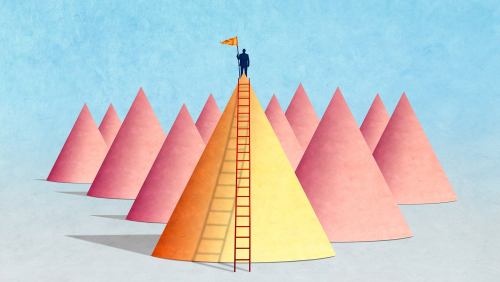
As a keynote speaker at the Food On Demand Conference, Cliffton said those challenges come with building something ambitious. As a lifelong rock climber, he compares entrepreneurship to reaching what looks like the summit, only to discover another mountain waiting ahead.
“It’s all about these false summits,” he says. “You’re like, ‘We just have to get there.’ And then you get there and you’re like, ‘Oh, but now there’s this way more crazy, inspiring mountain that’s still above us.'”
About Restaurant Influencers
Restaurant Influencers is brought to you by Toast, the powerful restaurant point-of-sale and management system that helps restaurants improve operations, increase sales and create a better guest experience.
Toast — Powering Successful Restaurants. Learn more about Toast.
Restaurant Influencers is proud to have PepsiCo as a sponsor of this episode. Partnering with PepsiCo Foodservice helps restaurant operators drive sustainable growth through smarter digital experiences, AI-backed menu optimization, and tools designed to create more profitable online orders.